Bone Grafting Procedure: Why Some Patients Need It Before Getting Dental Implants
When one or more teeth have been missing for a long time, the jawbone in those areas naturally begins to shrink. Without stimulation from natural tooth roots, the bone loses density and volume, a process called jawbone resorption. Over time, the bone becomes too thin or too weak to support a dental implant.
This is why many patients seeking dental implants first need a bone grafting procedure. A bone graft rebuilds the jawbone foundation, restoring the strength and height needed for a secure, long‑lasting implant. It’s a routine, highly successful treatment that helps patients who were once told they “don’t have enough bone” finally become candidates for dental implants.
But what happens if you don’t have a bone grafting procedure when your jawbone truly needs it?
Without enough natural bone to support an implant, the implant may not fuse properly, leading to loosening, discomfort, or complete implant failure. Ongoing bone loss can also change the shape of your face — causing the cheeks to look sunken, the lips to lose support, and the lower face to appear prematurely aged. Skipping a necessary bone graft can create long‑term complications that affect both your oral health and your overall appearance.
This is exactly why Dr. Rod VanSurksum recommends bone grafting for patients who need it before receiving dental implants. By rebuilding the jawbone first, he ensures the implant has a strong, healthy foundation — giving patients predictable results, long‑term stability, and a confident smile that lasts
What Is a Bone Grafting Procedure?
A bone grafting procedure is a specialized treatment designed to rebuild areas of the jawbone that have become too thin, too soft, or too weak to support dental implants.
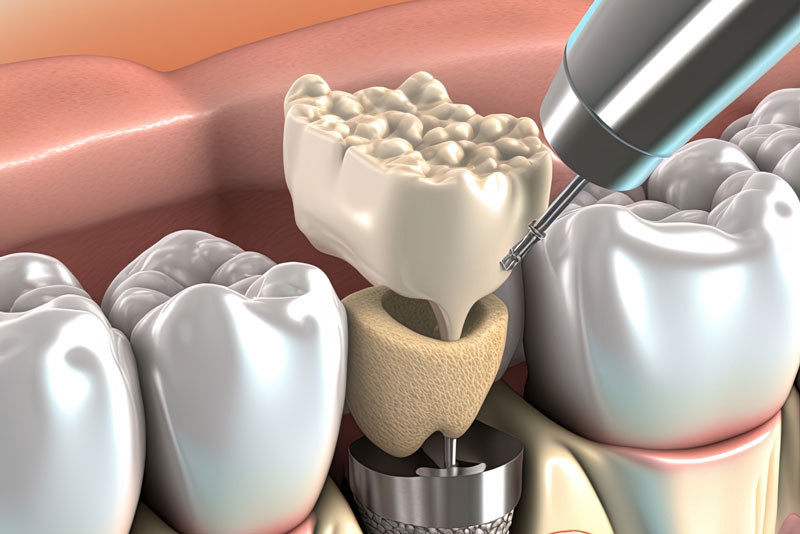
During the procedure, bone graft material, either from the patient, a donor, or a biocompatible synthetic material, is placed in areas of bone loss. This graft material acts as a scaffold, encouraging the body to regenerate new, healthy bone tissue.
As the graft heals, it gradually integrates with the natural bone, restoring the strength, height, and width needed for successful implant placement.
Bone grafting is a predictable, highly effective procedure that allows patients who were once told they were “not candidates for dental implants” to finally receive the permanent tooth replacement solution they deserve.
Why Some People Need a Bone Graft Before Dental Implants
When a tooth is lost, the jawbone no longer receives stimulation from the tooth root. Without this stimulation, the bone begins to shrink — sometimes rapidly. Patients who have been missing teeth for several months or years often experience significant bone loss.
A bone grafting procedure becomes necessary when:
- The jawbone is too thin to hold an implant securely
- The bone is too soft to support chewing forces
- The sinus cavity is too close to the upper jaw (requiring a sinus lift)
- Gum disease has caused bone deterioration
- Trauma or infection damaged the bone
For patients in Minnetonka and the surrounding Twin Cities area, Dr. VanSurksum evaluates the jawbone using advanced imaging to determine whether a graft is needed before placing a dental implant.
What Happens During a Dental Bone Grafting Procedure?
The process is straightforward and designed to be as comfortable as possible.
1. Evaluation and Planning
Dr. VanSurksum assesses the jawbone and determines the best type of bone grafting for your needs.
2. Local Anesthesia or Sedation
The area is fully numbed, and sedation options are available for added comfort.
3. Placement of the Bone Graft
A small opening is made in the gum, and the bone grafting material is placed in the area where bone is needed.
4. Stabilization
A membrane may be placed over the graft to protect it and encourage proper healing.
5. Healing and Integration
Over the next several months, the graft fuses with your natural bone, creating a strong foundation for your future dental implant.
Most patients are surprised by how smooth and manageable the procedure feels.
How Painful Is a Dental Bone Graft?
Most patients describe the experience as far easier than they expected. Because the procedure is performed under local anesthesia — and often with sedation — you won’t feel discomfort during treatment. Afterward, mild soreness or swelling is normal for a few days, similar to having a tooth extracted.
Over‑the‑counter pain medication is usually all that’s needed, and most patients return to normal activities within a day or two.
Risks and Benefits of a Bone Grafting Procedure
Benefits
- Restores lost bone for secure implant placement
- Prevents further bone loss
- Improves facial structure and support
- Increases long‑term implant success
- Allows patients who were once “not candidates” to receive implants
Risks
As with any surgical procedure, risks are minimal but may include:
- Temporary swelling or discomfort
- Minor bleeding
- Infection (rare)
- Graft not integrating fully (also rare)
Dr. VanSurksum uses advanced techniques and high‑quality materials to minimize risks and ensure predictable outcomes.
Recovery and Outlook
Healing time varies depending on the amount of bone needed, but most grafts take three to six months to fully integrate. During this time, the body naturally replaces the graft with strong, healthy bone.
Patients can expect:
- Mild swelling for 48–72 hours
- Soft‑food diet for a few days
- Follow‑up visits to monitor healing
- Clear guidance from Dr. VanSurksum every step of the way
Once the graft has healed, the jawbone is ready for a dental implant and the long‑term outlook is excellent.
How Long Does a Dental Bone Graft Last?
A successful bone graft can last a lifetime. Once the graft has fused with your natural bone and the dental implant is placed, the implant acts like a natural tooth root, providing ongoing stimulation that keeps the jawbone strong and healthy.
This is one of the biggest advantages of choosing dental implants: they help prevent future bone loss.
See Us Now So We Can Treat You With Dental Implants After Your Bone Grafting Procedure
If you have been told you cannot get dental implants in Minnetonka, MN, due to insufficient jawbone density, we invite you to visit our advanced and caring office. With the latest techniques and technologies, we can provide you with a trusted bone grafting procedure, ensuring you receive the dental implants you need and deserve.
Don’t wait to improve your smile with us. Contact our doctor, Dr. Rod VanSurksum, at our dental office to schedule an appointment today!