A cleft lip or cleft palate are common birth abnormalities resulting in the incomplete formation of the upper lip and/or roof of the mouth, requiring corrective surgery. The surgery is typically conducted before two years of age and results in the reconstruction of the lip and palate to a more normal appearance.
A frenectomy is a simple procedure that resolves a lip or tongue tie resulting from a tight frenum, the connective tissue joining two areas of the mouth. Frenectomies are most performed on babies to prevent feeding and speech issues. In adults, a frenectomy can resolve a tight frenum that pulls too much on the gums, causing gaps and gum recession.
Palate surgery is a corrective procedure address an obstruction in the area behind the soft palate. These obstructions can lead to snoring and sleep apnea. Your surgeon will create more room in the upper throat to help improve breathing while you sleep.
An impacted canine occurs when the tooth cannot grow into the dental arch because it is trapped beneath the gum or bone tissue and unable to fully erupt. Impacted canines are corrected with simple procedure of opening the area and moving the tooth into place. Orthodontics may be necessary to carefully guide the tooth.
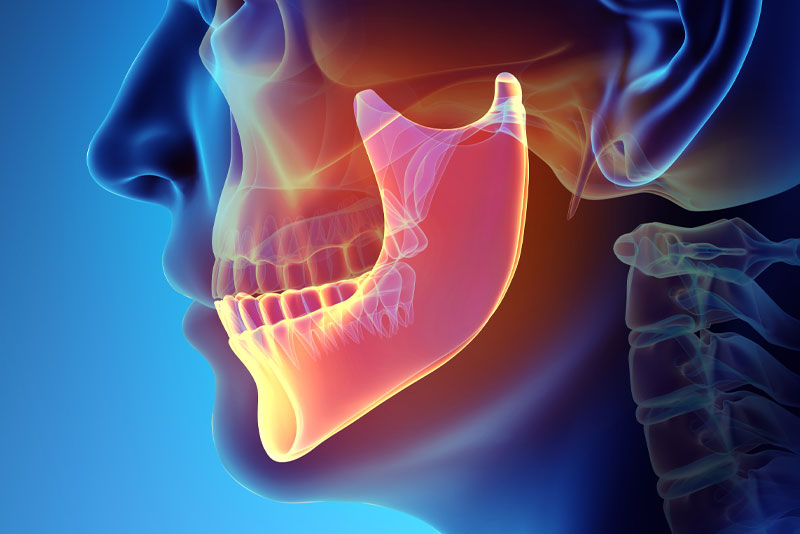
Orthognathic surgery, or jaw surgery, addresses irregularities of the jaw bones by realigning the jaw and teeth to improve function. Jawline surgery can help with biting, chewing, facial asymmetry, TMJ, facial injury, and jaw closures.
This surgery specifically addresses the temporomandibular joint (TMJ), the hinge-link joint between the skull and the jawbone. Patients with TMJ disorder suffer from pain and stiffness while talking and chewing. TMJ surgery will help restore function and ease symptoms.